what is wpc doors

What Is WPC Doors? Complete Guide for Beginners

⏱️
Estimate Time
60-90 min
👤
Skill Level
Beginner
🛠️
Tools Required
6-8 Tools
📅
Update
July 1, 2026

Introduction

Are you searching for what is WPC doors and wondering why they’re becoming a popular choice for modern homes? If you’re planning to replace traditional wooden doors or looking for a waterproof, termite-resistant, and low-maintenance door, WPC doors are worth considering.

WPC (Wood Plastic Composite) doors are manufactured using a blend of wood fibers and thermoplastic materials, creating a strong, durable, and moisture-resistant alternative to conventional wooden doors. They are widely used in bathrooms, kitchens, bedrooms, offices, and commercial buildings because they offer excellent durability, require minimal maintenance, and provide a modern appearance.

In this complete guide, you’ll learn what is WPC doors, how they’re made, their key features, advantages, disadvantages, common applications, and how they compare with wooden doors and PVC doors. By the end, you’ll have all the information needed to decide whether a WPC door is the right choice for your home.

What Is WPC Doors?

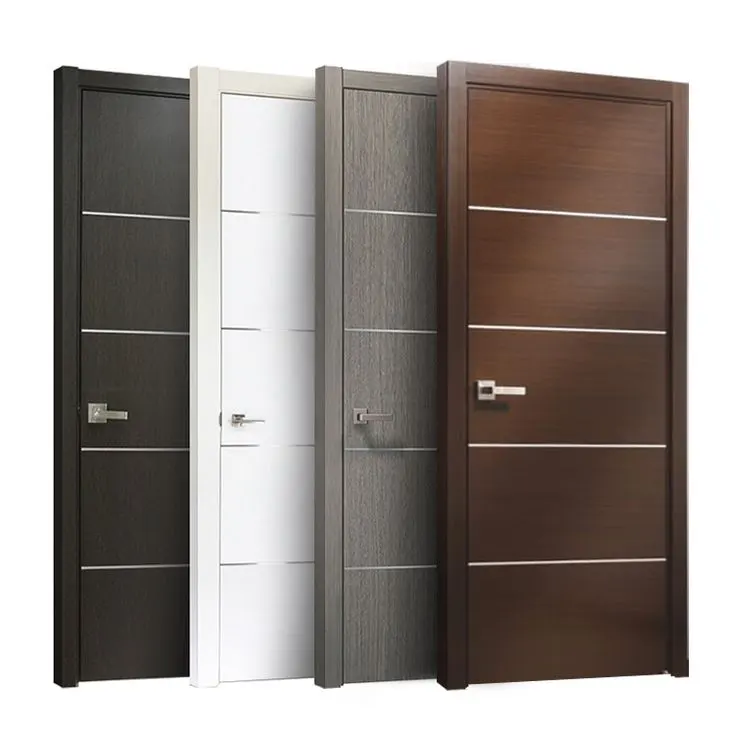
wpc doors

WPC doors are made from a composite material known as Wood Plastic Composite. They are manufactured by combining finely processed wood fibres with thermoplastic polymers under controlled conditions. The resulting mixture is compressed into strong, dense boards that can be shaped into door panels and frames. Due to their composite structure, WPC doors offer good resistance to moisture, termites, and minor environmental changes, making them a practical alternative to conventional wooden doors.

Types of WPC Doors

WPC doors are available in different constructions and finishes, so the right option depends on where the door will be installed and the look you want to achieve. Some common types include:

🚪 Solid WPC Doors

These doors have a denser construction and are generally chosen when greater rigidity and a substantial feel are preferred.

🏠 WPC Panel Doors

Panel-style WPC doors add visual detail to an otherwise simple door surface and can work well with contemporary interior designs.

🌳 Wood-Finish WPC Doors

These doors use wood-grain textures or decorative finishes to create a warmer appearance while retaining the characteristics of WPC.

🎨 Laminated WPC Doors

Laminated finishes provide additional design choices through different colours, patterns and surface textures.

  • Quick Fact: WPC stands for Wood Plastic Composite, an engineered material that combines the strength of wood with the durability and water resistance of plastic.

Benefits of WPC Doors

WPC doors are becoming a popular alternative to traditional wooden doors because they combine durability, moisture resistance and low maintenance. Made from a wood-plastic composite material, they are suitable for a wide range of residential and commercial applications. The performance of WPC products can vary depending on their formulation, density and manufacturing quality.

💪 Strong & Durable

WPC doors are manufactured from a composite of wood-based material and thermoplastic polymers. This construction provides a strong and stable material for everyday residential use. With the right formulation and proper installation, WPC doors can offer good resistance to regular wear and environmental conditions.

🧹 Low Maintenance

WPC doors generally require less maintenance than traditional wooden doors. They do not need frequent polishing or repainting, and routine cleaning with a soft cloth and mild cleaner is usually sufficient to keep the surface looking neat. Maintenance requirements can vary depending on the door finish and installation environment.

🛡️ Termite Resistant

WPC doors are often preferred in areas where termite concerns are common. Their composite construction can provide better resistance to termite attack than untreated natural wood. However, the exact level of resistance depends on the composition and quality of the WPC product.

🌱 Eco-Friendly Potential

Some WPC products can incorporate wood residues or recycled materials, which may help make use of material that would otherwise become waste. However, WPC should not automatically be labelled as completely eco-friendly because its environmental impact depends on the raw materials, manufacturing process, transportation and end-of-life treatment.

🎨 Attractive Designs

Modern WPC doors are available in different colours, textures, surface finishes and wood-grain patterns. This gives homeowners flexibility when matching doors with different interior styles, furniture and exterior design themes.

WPC Door Price in India

The cost of a WPC door can vary significantly depending on its size, thickness, board density, design and surface finish. Installation, hardware and customisation can also increase the final project cost.

💰 What Affects the Price?

  • Door thickness and board density
  • Door size and overall dimensions
  • Surface finish, laminate or texture
  • Panel and decorative design
  • Locks, hinges and other door hardware
  • Installation and labour charges

Instead of selecting a WPC door only because it has a lower price, compare the material quality, thickness, finish and expected service life. This gives a better idea of the overall value of the door.

Where Can WPC Doors Be Used?

One of the main reasons homeowners consider WPC doors is their versatility. They can be used in several residential and commercial spaces where a combination of practical performance and modern appearance is required.

🚿 Bathrooms

Suitable for areas where humidity and occasional moisture are common.

🍳 Kitchens

A practical option for kitchen areas where easy cleaning and moisture resistance can be useful.

🛏️ Bedrooms

Different colours and wood-grain finishes make WPC doors suitable for bedroom interiors.

🧺 Utility Areas

Their moisture-resistant characteristics can make them useful for utility and service areas.

🏢 Offices

WPC doors can also be considered for offices and other commercial interiors where durability and appearance matter.

🏠 Modern Interiors

Contemporary finishes allow WPC doors to blend with different interior themes and design styles.

Design & Style Ideas for Modern WPC Doors

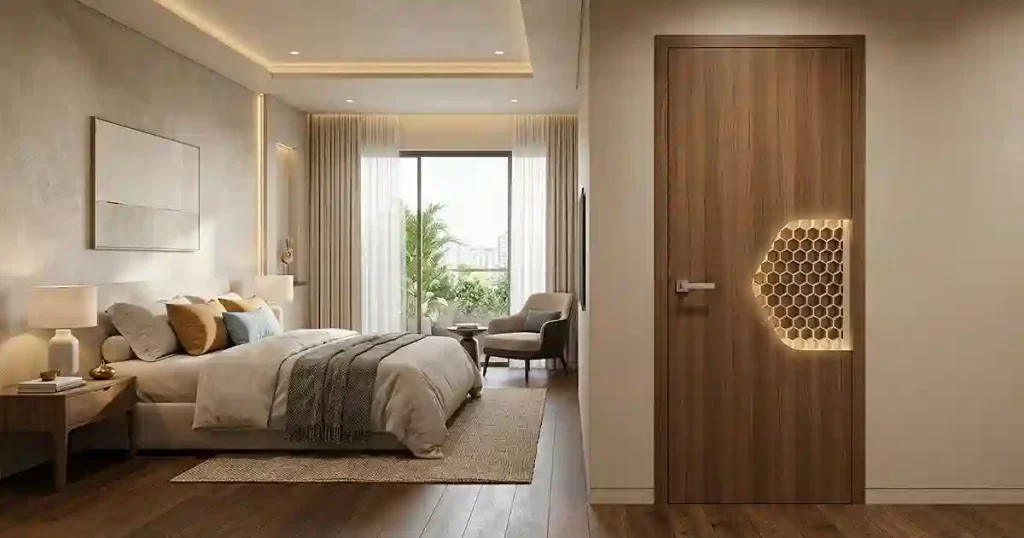
what is wpc door

A door can have a noticeable impact on the overall appearance of an interior. With WPC doors, homeowners can explore different finishes, colours and surface designs instead of being limited to a traditional wooden look. This makes them suitable for both simple and contemporary interiors.

  • Clean flush designs work especially well in modern apartments and homes where a simple, uncluttered appearance is preferred.
  • Different colours and surface finishes allow the door to coordinate with wall colours, furniture and other elements of the interior.
  • Wood-inspired textures can recreate the appearance of natural timber while retaining the practical characteristics associated with WPC construction.

From understated finishes to wood-look surfaces, WPC doors give homeowners enough flexibility to choose a style that fits the character of their space without compromising on everyday functionality.

How to Choose the Right WPC Door

Choosing a WPC door should involve more than comparing designs and prices. The door's thickness, construction quality, dimensions and intended location all play a role in determining which option is appropriate.

1. Consider the Door Thickness

Thickness affects the rigidity and overall feel of a door. A thicker construction can provide greater stability, but the right specification depends on factors such as the door's size, frame and intended application. It is therefore better to follow the manufacturer's recommended specifications rather than choosing thickness based on appearance alone.

2. Set a Practical Budget

WPC door prices can differ considerably depending on factors such as material density, dimensions, thickness, design and finishing. Instead of selecting an option only because it is cheaper, compare the expected durability, finish and overall quality to determine whether it offers good long-term value.

Why Consider Greenply WPC Doors?

Greenply offers WPC door solutions designed for modern interior applications. Their product range focuses on combining practical performance with the flexibility needed for different interior designs. Some important aspects to consider include:

Material Composition

WPC is produced by combining wood-based material with polymer components. This composite structure is designed to provide a consistent material with useful strength and moisture resistance.

Stable Construction

A well-manufactured WPC board is designed to retain its shape during normal use. This can help minimise issues such as unwanted bending or dimensional changes when the product is correctly installed.

Flexible Design Options

WPC boards can be used with a variety of door designs, panel configurations and surface finishes. This gives homeowners more freedom to match their doors with the rest of the interior.

Responsible Material Selection

When buying wood-based products, responsible sourcing can also be an important consideration. The FSC certification system provides information about responsible forest management and the sourcing of certified forest products.

Advantages and Disadvantages of WPC Doors

WPC doors offer several practical benefits, but they also have certain limitations that should be considered before making a purchase. Comparing their moisture resistance, maintenance needs, durability, cost and design options can help you decide whether WPC is the right door material for your space.

✅ Advantages

  • Good resistance to moisture and humidity
  • Generally requires less routine maintenance
  • Better resistance to termite-related damage than untreated wood
  • Available in a variety of designs, colours and finishes
  • Suitable for bathrooms, kitchens and other residential areas
  • Can maintain consistent dimensions when properly manufactured

⚠️ Limitations

  • Quality and performance can vary between manufacturers
  • Higher-density boards and premium finishes may cost more
  • Moisture resistance can differ depending on product quality
  • Poor installation can affect alignment and door operation
  • Product specifications should be checked before purchase

WPC performance depends on its composition, manufacturing quality and intended application. Research from the USDA Forest Service discusses factors such as moisture exposure, biological conditions and material formulation that can influence the long-term performance of wood-plastic composites.

🏆 Which Door Should You Choose?

Feature WPC Doors PVC Doors Wooden Doors
Waterproof ✅ 100% ✅ Yes ❌ No
Termite Resistant ✅ Yes ✅ Yes ❌ No
Durability ⭐⭐⭐⭐⭐ ⭐⭐⭐ ⭐⭐⭐⭐
Maintenance Low Low High
Appearance Premium Basic Natural & Premium
Best For Bathrooms, Kitchens & Bedrooms Bathrooms Main Entrance & Luxury Homes
Lifespan 20–30 Years 10–15 Years 20–40 Years
Price Medium Low Medium–High

Common Mistakes to Avoid When Choosing WPC Doors

Choosing the right door material requires more than simply comparing designs and prices. Some common mistakes can affect the durability, appearance and everyday performance of a door. Avoiding these issues can help homeowners make a more reliable choice.

  • Choosing only by price: A low-cost door may not always provide the durability or material quality required for long-term use. Compare the overall value instead of focusing only on the initial cost.
  • Ignoring thickness and strength: Door thickness, density and structural strength can influence stability and performance. These specifications should match the size and intended application of the door.
  • Selecting poor-quality boards: Inferior materials may have a higher chance of developing problems such as bending, cracking or premature damage during regular use.
  • Overlooking installation quality: Even a good-quality WPC door may not perform properly if the frame, hinges, alignment or hardware are installed incorrectly.
  • Buying from unreliable sellers: Always check the supplier's reputation, product specifications and warranty information before purchasing WPC boards or doors.

Paying attention to material quality, correct specifications and proper installation can help improve the service life and everyday performance of WPC doors.

Buying Guide for WPC Doors

Before buying a WPC door, consider the conditions in which it will be installed and how frequently it will be used. Factors such as durability, cost, door thickness, moisture resistance, finish and design flexibility can help you compare different options.

Understanding what WPC doors are can also make it easier to compare them with wooden, PVC and other interior door materials. For areas such as bathrooms, kitchens and utility spaces, moisture resistance should be one of the key factors during selection.

If you are considering Greenply WPC boards, check the product specifications carefully for the required thickness, dimensions, finishing options and recommended applications. For broader information about wood-plastic composite materials and their properties, you can also refer to USDA Forest Service research on wood-plastic composites .

Conclusion

WPC doors have become a practical option for homeowners looking for a balance between appearance and everyday performance. Their composite construction makes them suitable for applications where moisture resistance, durability and relatively low maintenance are important.

The right choice ultimately depends on where the door will be used, the required thickness and strength, the desired finish and the available budget. WPC doors can work particularly well in bathrooms, kitchens, utility areas and modern interiors, provided the product is selected and installed according to the manufacturer's specifications. Comparing quality, design and long-term value before purchasing can help you choose a door that suits your home or commercial space.

Frequently Asked Questions About WPC Doors

1. What are WPC doors made of?

WPC doors are made from a combination of wood fibres and plastic polymers. These materials are combined to create a durable composite material that offers good resistance to moisture, termites and everyday wear.

2. Are WPC doors suitable for bathrooms?

Yes, WPC doors are a suitable choice for bathrooms and other moisture-prone areas. They are resistant to water and humidity, do not rot easily and require relatively little maintenance compared with traditional wooden doors.

3. Are WPC doors durable for everyday use?

Yes, WPC doors are designed for regular residential use. Their resistance to moisture, termites and common wear makes them a practical option for bedrooms, kitchens, bathrooms and other areas of the home.

4. What factors affect the cost of WPC doors?

The cost of WPC doors depends on several factors, including board density, door thickness, size, surface finish, design, hardware and installation requirements. Higher-quality materials and premium finishes generally increase the overall price.

Leave a Reply

Your email address will not be published. Required fields are marked *

Your Cart

Your Cart

Your Cart is Empty

Start Shopping
Continue Shopping
Payment Details
Sub Total 0.00