
How to Open a Locked Bedroom Door Without a Key: 7 Safe Methods
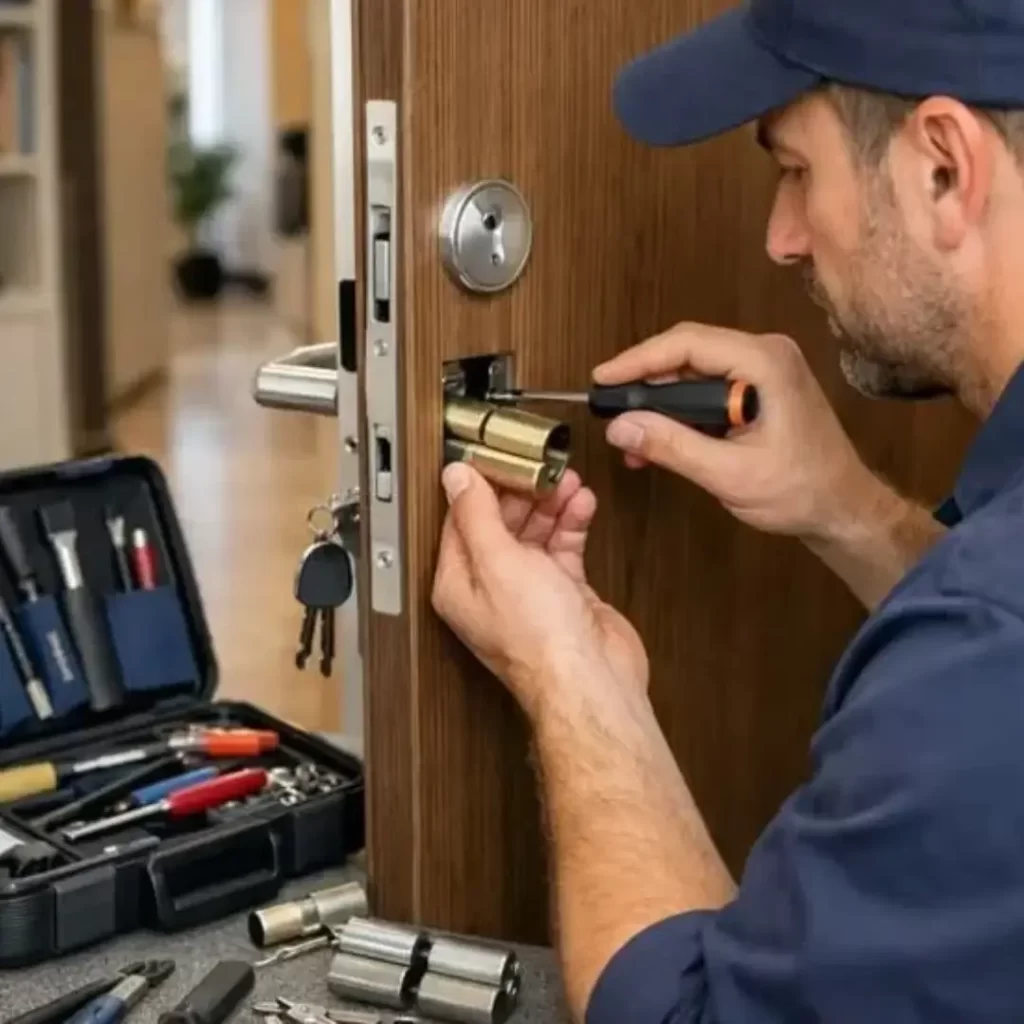
Table Of Content
How Do You Open a Locked Bedroom Door?
Before Trying to Open a Locked Bedroom Door
Why Does a Bedroom Door Get Locked?
What Type of Bedroom Lock Do You Have?
How to Open a Locked Bedroom Door: 7 Safe Methods
Is the Bedroom Door Locked or Just Stuck?
How to Unlock a Bedroom Door Without a Key
What Not to Do When a Bedroom Door Is Locked
Intoduction
Getting locked out of a bedroom can happen easily. You may accidentally lock the door while stepping outside, a child may turn the lock from inside, or the door lock may simply become stuck.
The good news is that many interior bedroom doors use privacy locks with an emergency-release mechanism, so you may be able to regain access without damaging the door.
In this guide, you’ll learn how to open a locked bedroom door safely, how to identify the type of lock you have, what methods are appropriate for different situations, and when it’s better to call a professional locksmith.
Important: Only attempt to open a door that you own or are authorized to access. Avoid forcing the lock because it can damage the door, frame, or locking mechanism.
How Do You Open a Locked Bedroom Door?
The best method depends on the type of bedroom lock.
For most interior privacy locks:
- Check whether the outside of the handle has an emergency-release hole or slot.
- Use the manufacturer’s emergency-release key if you have one.
- If the lock has a visible release mechanism, follow the lock manufacturer’s instructions.
- If the lock is jammed or damaged, avoid forcing it.
- Contact a locksmith if the simple release doesn’t work.
Many bedroom privacy locks are specifically designed to allow emergency access from the outside.
Before Trying to Open a Locked Bedroom Door
Before attempting anything, take a moment to check the situation. If another person could be inside the room, make sure they are safe and able to respond.
Also check whether the door is actually locked. Sometimes a door appears locked when the latch is simply stuck against the door frame.
Keep these points in mind:
- Make sure you have permission to access the room.
- Check whether someone is inside.
- Identify the type of lock if possible.
- Avoid excessive force.
Use the manufacturer’s intended emergency-release feature when available. - Contact a locksmith if the lock is damaged or the door cannot be opened safely.
Why Does a Bedroom Door Get Locked?
Before trying to open the door, determine why it is locked. The solution can be different depending on the problem
1. Accidental locking
Someone may have accidentally pressed or turned the privacy lock before closing the door.
2. Jammed door lock
A worn or damaged locking mechanism can prevent the handle from unlocking normally.
3. Misaligned door
If the door or frame has shifted, pressure on the latch can make the lock difficult to operate.
4. Broken door handle
A damaged handle may stop transferring movement to the internal latch.
5. Key-related problem
Some bedrooms use keyed locks. In that case, a missing, broken, or incorrectly inserted key may be the problem.
What Type of Bedroom Lock Do You Have?
If you’re specifically searching for how to unlock a bedroom door without a key, first determine whether you’re dealing with a privacy lock or a keyed lock.
Privacy lock
Privacy locks are commonly installed on interior bedroom and bathroom doors. Many have an emergency-release feature that allows the door to be opened from the outside during an accidental lockout.
Keyed Lock
A keyed lock requires a key to operate the locking mechanism. If the key is unavailable or the lock is damaged, a locksmith may be required.
Deadbolt
Some bedroom doors may have a deadbolt in addition to a regular latch. A deadbolt provides a different locking mechanism and may require its own key or release method.
How to Open a Locked Bedroom Door: 7 Safe Methods
1. Check for the Emergency Release Hole
This should be your first option if you have a typical privacy lock.
Look at the outside of the bedroom doorknob or lever. Many privacy locks have a small hole designed specifically for emergency release.
These locks are different from high-security keyed locks. The small opening can provide access to the lock’s built-in emergency-release mechanism.
What to do
- Look closely at the outside of the handle.
- Check for a small circular hole or emergency-release slot.
- If your lock came with an emergency key, use that according to the manufacturer’s instructions.
- Do not force the mechanism if it doesn’t respond.
Why this method is best: It uses the feature the lock was designed with instead of trying to defeat the lock.
2. Identify Whether It Is a Push-Button or Turn-Button Privacy Lock
Not every bedroom privacy lock works in exactly the same way.
Some have a push-button mechanism, while others use a turn-button mechanism. Both may have an emergency-release feature on the exterior side.
Push-button privacy lock
These commonly have a small release opening on the outside.
Turn-button privacy lock
These may use a small slot or dedicated emergency-release mechanism.
Tip: Don’t start drilling, prying, or removing the entire lock before identifying what type of lock you’re dealing with.
3. Try the Spare or Emergency Key
If your bedroom lock uses a key, look for a spare key before trying anything else.
Check:
- Your regular key storage area
- A household spare-key location
- The original lock packaging
- The lock’s emergency key, if supplied
- Another authorized person who may have a copy
This is the safest option because it doesn’t put unnecessary stress on the lock or door.
4. Check Whether the Door Is Jammed Rather Than Actually Locked
Sometimes the problem isn’t the lock itself.
A door can feel locked when the latch is under pressure because the door has shifted slightly against the frame.
Try gently:
- Pulling or pushing the door while operating the handle
- Checking whether the handle moves normally
- Looking for visible misalignment around the latch
- Checking whether the door is rubbing against the frame
Don’t repeatedly slam or force the door. Excessive force can make a small alignment problem into a damaged door or frame.
5. Check the Door Handle for Damage
If the handle feels loose, unusually stiff, or moves without operating the latch, the handle mechanism may have failed.
In this situation, removing or repairing the hardware may be necessary, but the exact process depends on the handle and lock design.
If you’re unfamiliar with door hardware, this is a good point to stop experimenting and contact a locksmith or qualified handyman.
6. Don't Force the Lock
A common mistake when trying to open a locked bedroom door is applying more force when the first method doesn’t work.
That can result in:
Scratched hardware
Damaged door finish
Broken latch
Damaged door frame
A more expensive repair
A bedroom privacy lock is usually much easier to resolve through its intended emergency-release mechanism than by forcing the door.
7. Call a Locksmith When the Lock Is Damaged or Complex
If the door uses a keyed lock, deadbolt, electronic lock, or damaged mechanism—and the normal access method doesn’t work—calling a professional is usually the safest solution.
A locksmith can determine whether the issue is:
A failed cylinder
Broken latch
Misaligned strike plate
Damaged handle
Jammed mechanism
Lost key
Professional assistance is especially important if opening the door yourself could cause significant damage.
Is the Bedroom Door Locked or Just Stuck?
A bedroom door that will not open is not necessarily locked. Identifying the actual problem can save time and prevent unnecessary damage.
The handle turns but the door does not open
The latch may be stuck, or the door may be misaligned with the frame.
The handle feels loose
The handle mechanism may be damaged or disconnected from the latch.
The door rubs against the frame
The hinges or door alignment may need attention.
The lock works but the latch does not retract
There may be an internal problem with the lock or handle mechanism.
The key will not turn normally
The lock cylinder may be damaged, worn, or obstructed. Avoid forcing the key because it could break inside the lock.
How to Unlock a Bedroom Door Without a Key
If you do not have the key, first determine whether the door has an interior privacy lock with an emergency-release feature.
If it does, use the release method intended for that specific lock. Check the manufacturer’s instructions or hardware documentation if available.
If the door has a keyed lock and you do not have the key, avoid attempting improvised bypass methods that could damage the lock or door. A locksmith can help open the door and determine whether the existing lock should be repaired or replaced.
The safest solution depends on the type and condition of the lock.
What Not to Do When a Bedroom Door Is Locked
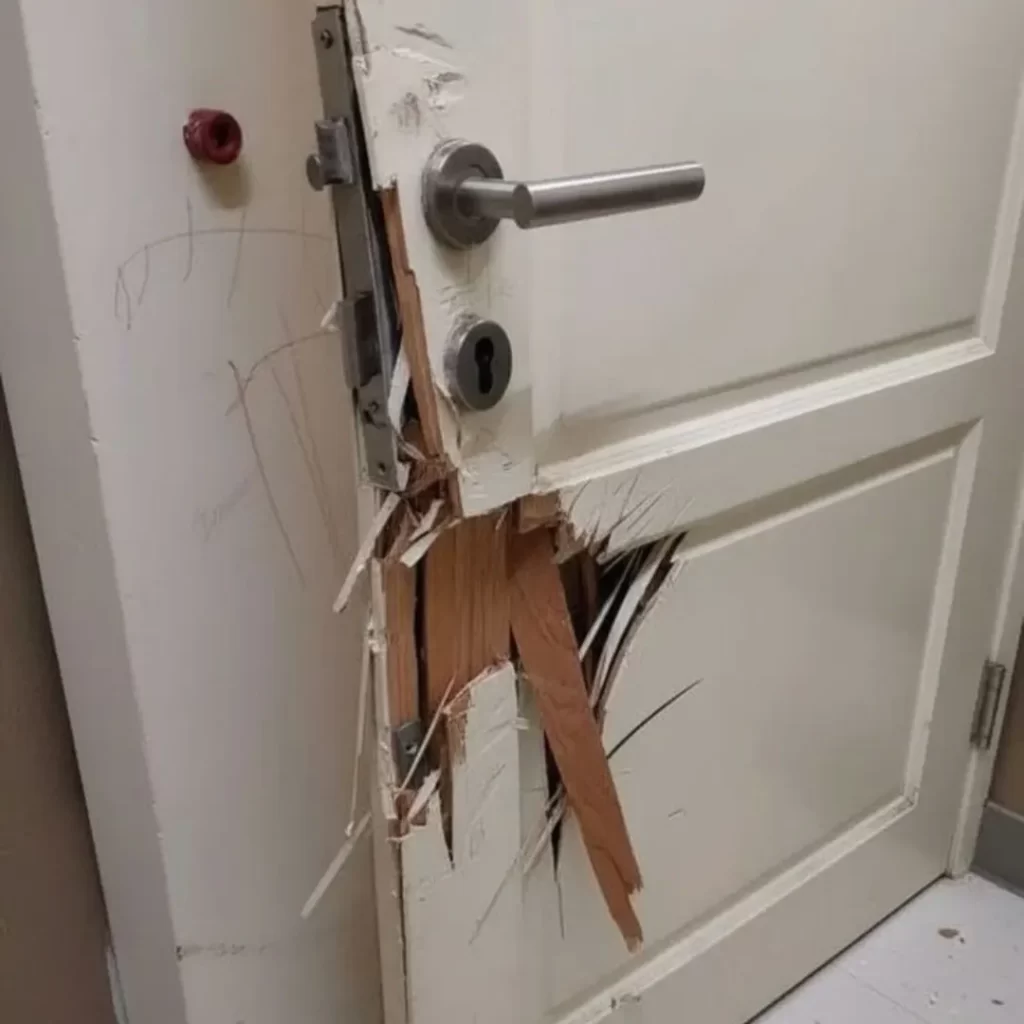
Trying to open a locked door with excessive force can cause more damage than the original problem. Avoid methods that can damage the door, frame, lock, or surrounding hardware.
Avoid:
- Kicking the door
- Hitting the lock
- Forcing the handle
- Damaging the door frame
- Using excessive force on the key
- Drilling the lock without professional guidance
- Repeatedly pulling or pushing a jammed door
- Removing hardware without knowing how it is installed
If the door will not open using its intended release mechanism, getting professional help is usually safer than turning a simple lock problem into a door replacement.
When Should You Call a Locksmith?
You should consider calling a locksmith when
- The lock is damaged.
- The key is broken inside the lock.
- The handle is broken.
- The latch is not operating correctly.
- The lock mechanism is jammed.
- The door cannot be opened using its intended emergency-release feature.
- You have tried the normal operating method but the door still will not open.
- You are unsure about the type of lock installed.
A professional can diagnose the problem and recommend whether the lock should be repaired, adjusted, or replaced.
Frequently Asked Questions
How do you open a locked bedroom door without a key?
First identify the type of lock. If it is an interior privacy lock, check for the manufacturer’s intended emergency-release feature. If the door uses a keyed lock and you do not have the key, contacting a locksmith is the safer option than damaging the lock or door.
How do you unlock a privacy bedroom door?
Many privacy bedroom locks have an emergency-release feature designed for accidental lockouts. Check the outside of the handle or knob and follow the manufacturer’s instructions for that particular lock.
Why won't my bedroom door open even though it is unlocked?
The problem may be a stuck latch, damaged handle, or misaligned door. Check whether the handle operates normally and whether the door is rubbing against the frame.
Can a locksmith open a locked bedroom door?
Yes. A professional locksmith can inspect the lock and determine the appropriate way to open the door based on its type and condition.
Why does my bedroom door keep getting stuck?
Repeated sticking can be caused by door misalignment, loose hinges, a damaged latch, worn hardware, or movement in the door frame. Identifying the underlying problem is important before replacing the lock.
Should I replace a damaged bedroom door lock?
If the lock is worn, damaged, or repeatedly malfunctioning, replacement may be more practical than continuing to repair it. The correct replacement depends on the door and existing hardware.
Conclusion
A locked bedroom door can often be resolved without damaging the door or lock. Start by identifying the type of lock and determining whether the door is actually locked or simply stuck.
For interior privacy locks, use the intended emergency-release feature when available. Check the handle, latch, door alignment, and visible hardware for signs of a problem.
If the lock is damaged or the door still cannot be opened safely, avoid excessive force and contact a professional locksmith.
Regularly checking your door handles, hinges, locks, and latches can also help prevent unexpected lockouts and hardware failures.

Leave a Reply