Introduction
Wall panelling is a modern interior design solution that covers walls with decorative panels to improve both appearance and durability. It is widely used in homes, offices, hotels, restaurants, and commercial spaces because it adds style while protecting the wall surface from scratches, moisture, and daily wear.
Today, wall panelling materials such as Wood, MDF, PVC, and WPC wall panels are available in different colours, textures, and finishes to match every interior style and budget. Whether you want a luxury living room, a stylish bedroom, or a waterproof bathroom, choosing the right wall panelling design can completely transform the look of your space.
Popular Panelling Materials
The choice of material dictates not just the visual outcome, but also the longevity and acoustic properties of your space. From natural veneers to contemporary synthetics, each material offers unique benefits tailored to specific environments.
1. Natural Wood Veneers
Natural wood remains the gold standard for luxury. Oak, walnut, and ash veneers provide an organic warmth that synthetic alternatives struggle to replicate. These are ideal for living areas and corporate offices where prestige is paramount.
Material Comparison Matrix
🌳 Choose Natural Wood if…
You want a premium, luxurious and timeless look for living rooms, hotels or high-end interiors. It offers excellent durability, but it needs more care and isn’t the best choice for areas with high moisture.
🟫 Choose MDF if…
You want an affordable decorative option for feature walls or bedrooms. MDF works well for stylish interior designs, but it has lower water resistance than PVC or WPC.
💧 Choose PVC if…
You need a budget-friendly and water-resistant material for bathrooms, kitchens or other moisture-prone areas. PVC is also easy to clean and maintain.
🌿 Choose WPC if…
You want a combination of high durability, water resistance and low maintenance. WPC is suitable for both homes and commercial spaces and is a strong all-round option.
✨ Choose Laminate if…
Your priority is a modern decorative finish with easy maintenance. Laminate works particularly well when you want different colours, textures and patterns for contemporary interiors.
Where to Use Wall Panelling?
🏡 Living Room → WPC / Wood / Laminate
For a luxurious feature wall and premium overall décor.
Best for: Modern & Classic interiors
🛏️ Bedroom → MDF / Wood / Laminate
For a warm, elegant look, especially behind the bed or on an accent wall.
Best for: Cozy & Minimalist interiors
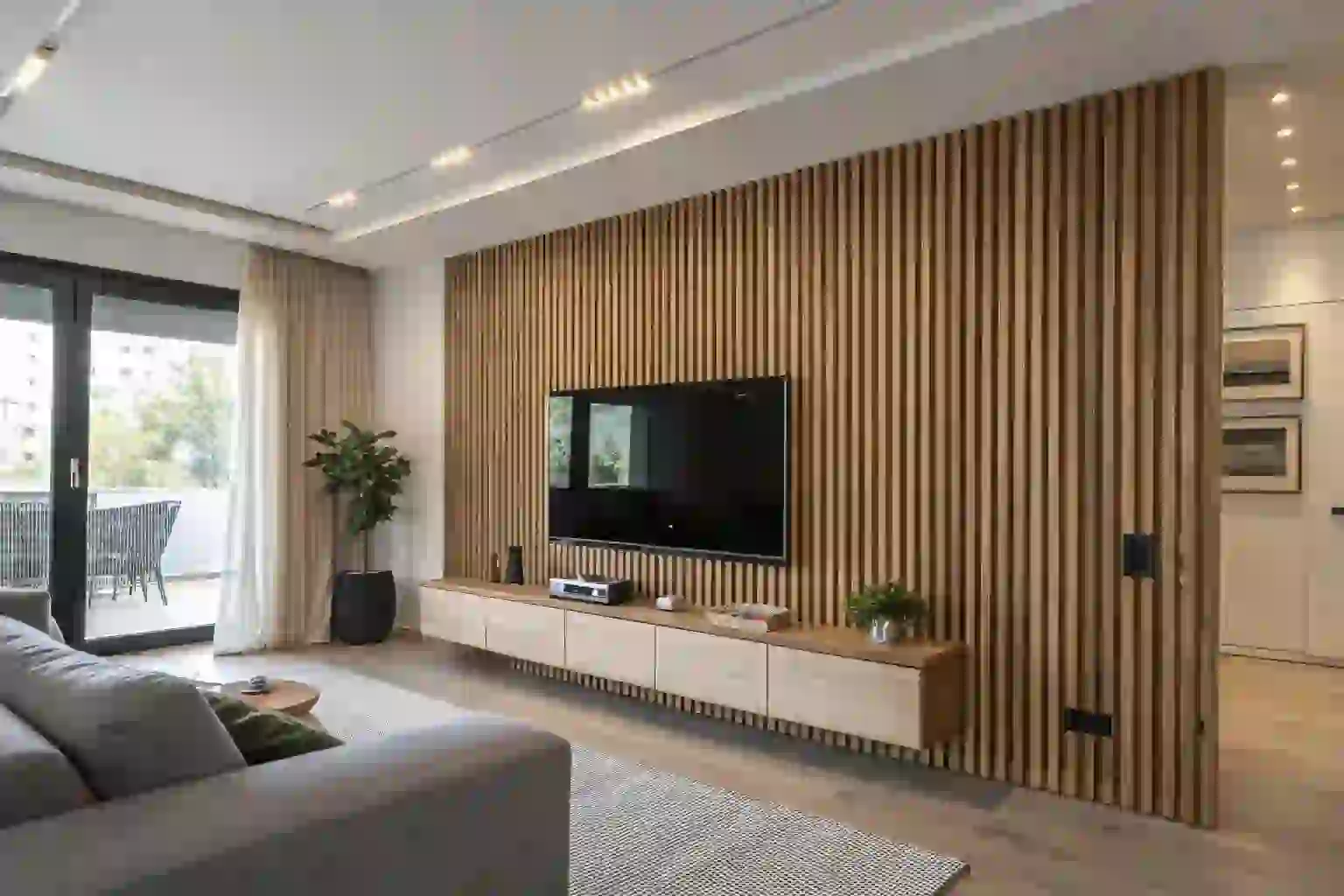
📺 TV Wall → WPC / MDF
Ideal for creating a clean entertainment area and hiding wiring.
Best for: Contemporary interiors
🍽️ Dining Room → Wood / WPC
Adds sophistication and makes the dining area feel more inviting.
Best for: Elegant interiors
🚪 Hallway & Entryway → WPC / Laminate
A practical choice for areas that experience regular contact and wear.
Best for: Modern interiors
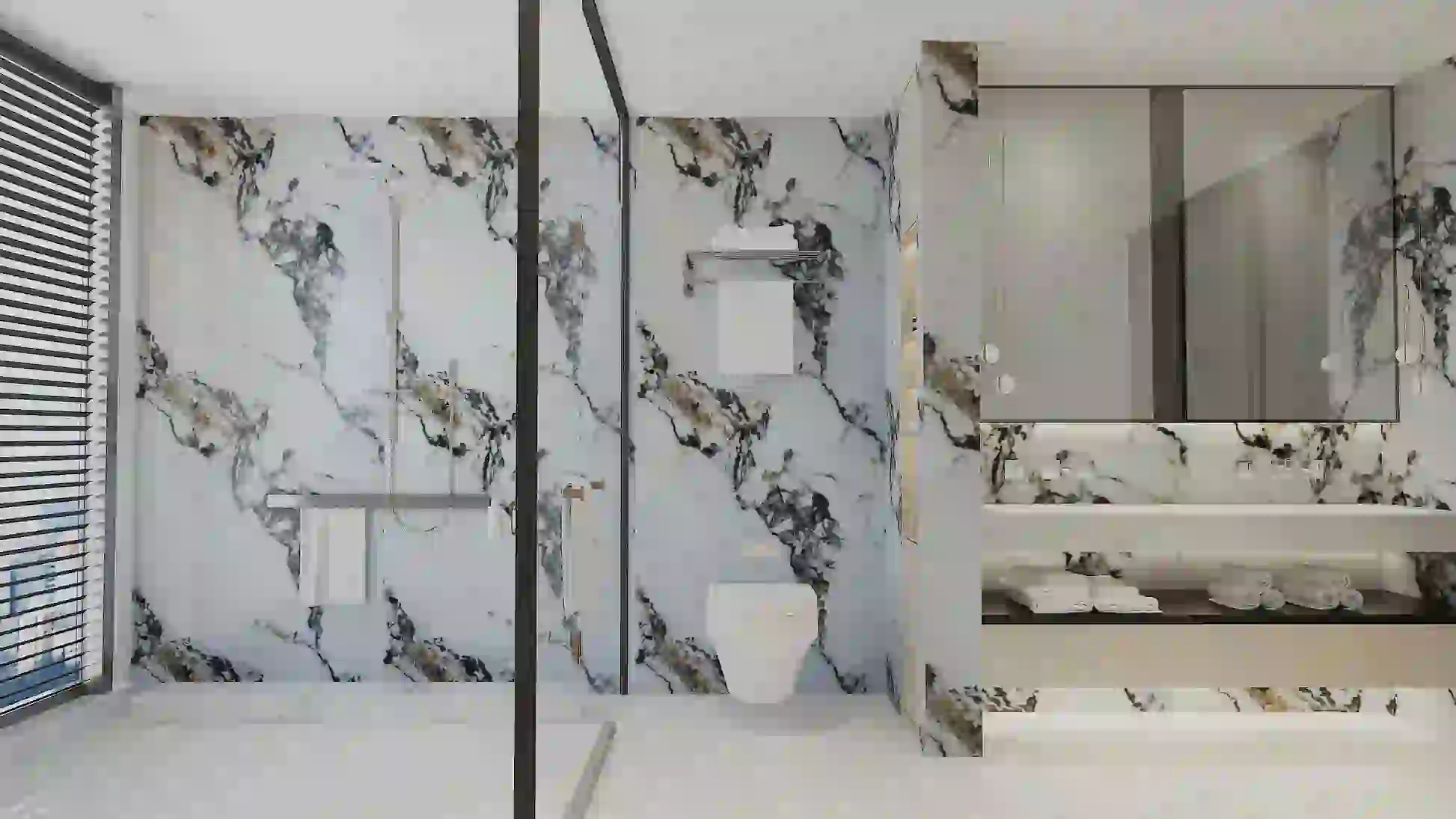
🛁 Bathroom → PVC / WPC
Choose these when moisture resistance and easy cleaning are priorities.
Best for: Modern interiors
🍳 Kitchen → PVC / WPC
Better suited to areas exposed to humidity, grease and stains.
Best for: Functional interiors
💼 Office → WPC / Laminate
Creates a professional appearance without demanding heavy maintenance.
Best for: Corporate interiors
🏨 Hotel → Wood / WPC
Wood gives a premium feel, while WPC offers durability and easier maintenance.
Best for: Luxury interiors
🛍️ Retail Store → Laminate / WPC
Useful for creating attractive backgrounds that complement product displays.
Best for: Commercial interiors
Benefits of Wall Panelling
Wall panelling is not just a decorative element; it also improves the functionality of your walls. Modern interior wall panels are designed to provide durability, insulation, and a premium finish while reducing maintenance requirements.
Enhances interior aesthetics
Creates a modern, luxurious, and designer-style interior with textured and decorative wall panels.
Protects walls from damage
Helps prevent scratches, stains, moisture damage, and everyday wear and tear.
Easy to clean and maintain
Most PVC and WPC wall panels only need a soft cloth and mild cleaner for regular upkeep.
Hides uneven or damaged walls
Covers cracks, patchwork, and surface imperfections without major civil work.
Improves sound and thermal insulation
Adds an extra layer that can help reduce noise and improve indoor comfort.
Increases property value
Well-designed decorative wall panels can make a home look more premium and attractive to buyers.
How to Install Wall Panelling (Step-by-Step)
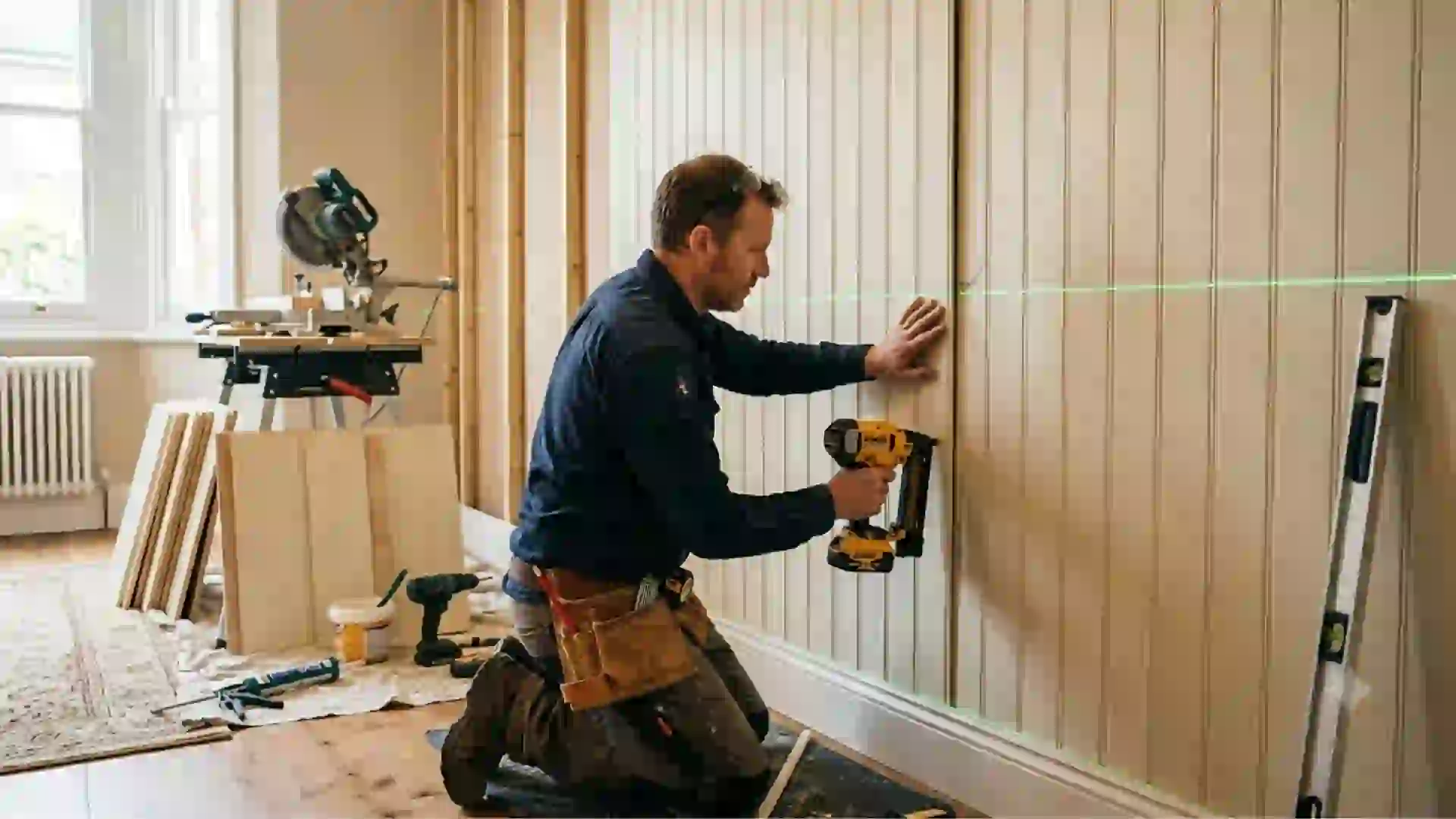
The installation process varies depending on the material, but the general steps are
1. Measure the wall area
Use a measuring tape to calculate the exact height and width so you can estimate the number of panels required.
2. Clean and prepare the surface
Remove dust, grease, loose paint, or moisture. A clean surface helps the adhesive or screws hold properly.
3. Mark the layout lines
Draw reference lines to keep the panels straight and evenly aligned during installation.
4. Apply adhesive or fix with screws/clips
Follow the manufacturer’s recommended installation method for WPC, PVC, MDF, or wooden panels.
5. Install panels one by one
Press each panel firmly into place and maintain consistent spacing if the design requires grooves or slats.
6. Finish the edges and clean the surface
Add trims or corner profiles for a professional finish, then wipe away adhesive residue and dust.
Advantages and Disadvantages
Advantages
- Stylish and modern appearance
- Long-lasting performance
- Easy maintenance
- Conceals wall defects
- Available in many designs and textures
- Suitable for residential and commercial projects
Disadvantages
- Premium wooden panels can be expensive
- Professional installation may be required
- Some materials are not suitable for wet areas
- Poor-quality panels may fade or warp over time
Wall Panelling Maintenance Tips
To keep your decorative wall panels looking new for years:
- Clean weekly with a soft microfiber cloth.
- Use mild soap and water for stains.
- Avoid abrasive cleaners and steel scrubbers.
- Keep wooden panels away from prolonged moisture.
- Check joints and trims annually for loosening.
- Use furniture pads to prevent impact damage on feature walls.
WPC and PVC wall panels require the least maintenance and are ideal for humid environments.
Cost of Wall Panelling in India
|
Panel Type
|
Approx. Price (₹/sq.ft.)
|
|
PVC Wall Panels
|
60–150
|
|
WPC Wall Panels
|
150–350
|
|
MDF Wall Panels
|
180–400
|
|
Laminate Wall Panels
|
200–500
|
|
Natural Wooden Panels
|
350–1200+
|
Frequently Asked Questions
Conclusion
What is wall panelling? It is a modern interior design solution that combines beauty, protection, and functionality by covering walls with decorative panels made from wood, WPC, PVC, MDF, laminate, or other durable materials. The right wall panelling design can transform a plain wall into a stylish feature while improving durability, moisture resistance, and maintenance convenience.
For Indian homes, WPC wall panels are often the most practical choice because they are waterproof, termite-resistant, and long-lasting. Whether you are renovating a living room, bedroom, TV unit wall, office, or commercial space, investing in quality wall panels can significantly enhance both the appearance and value of your property.